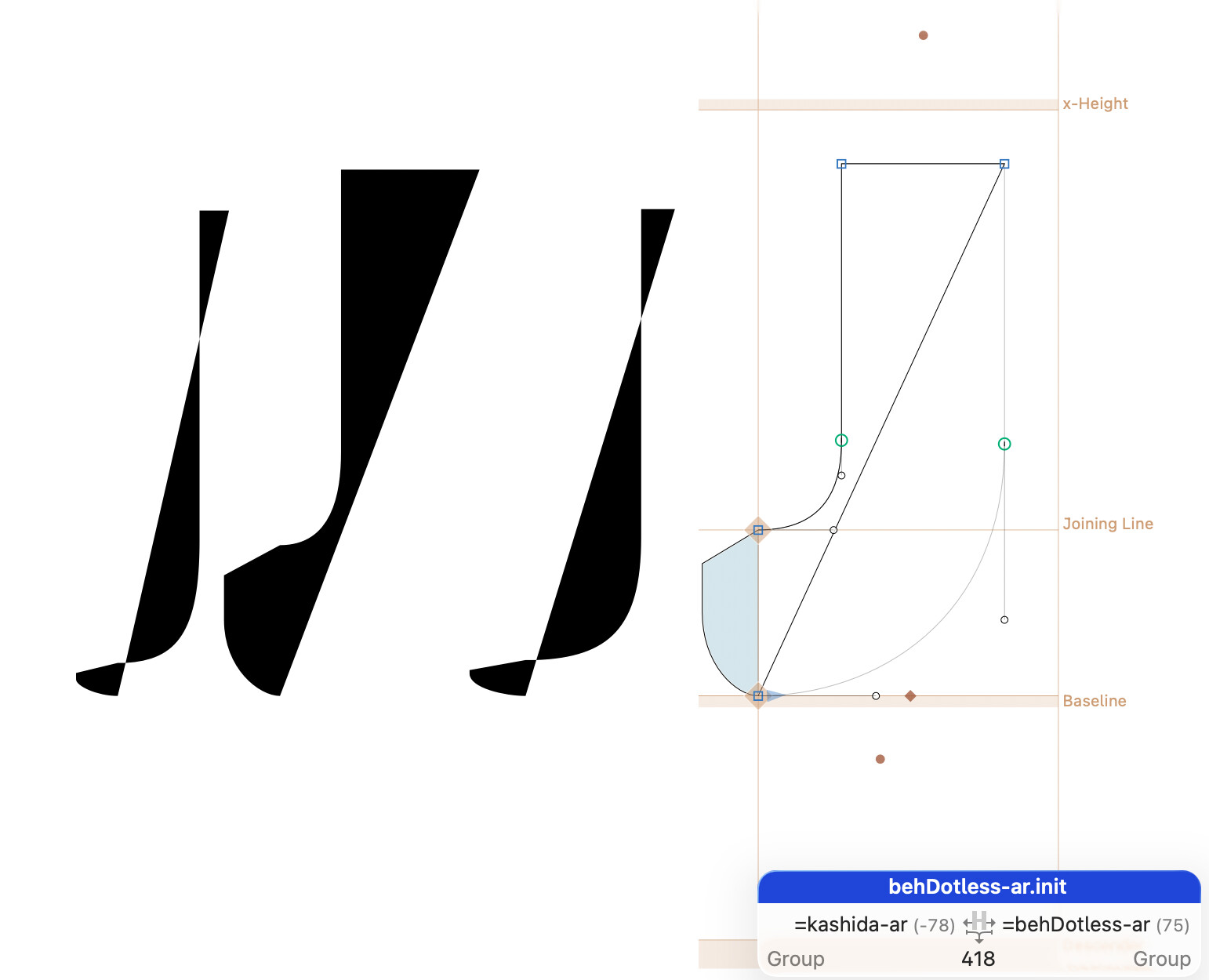
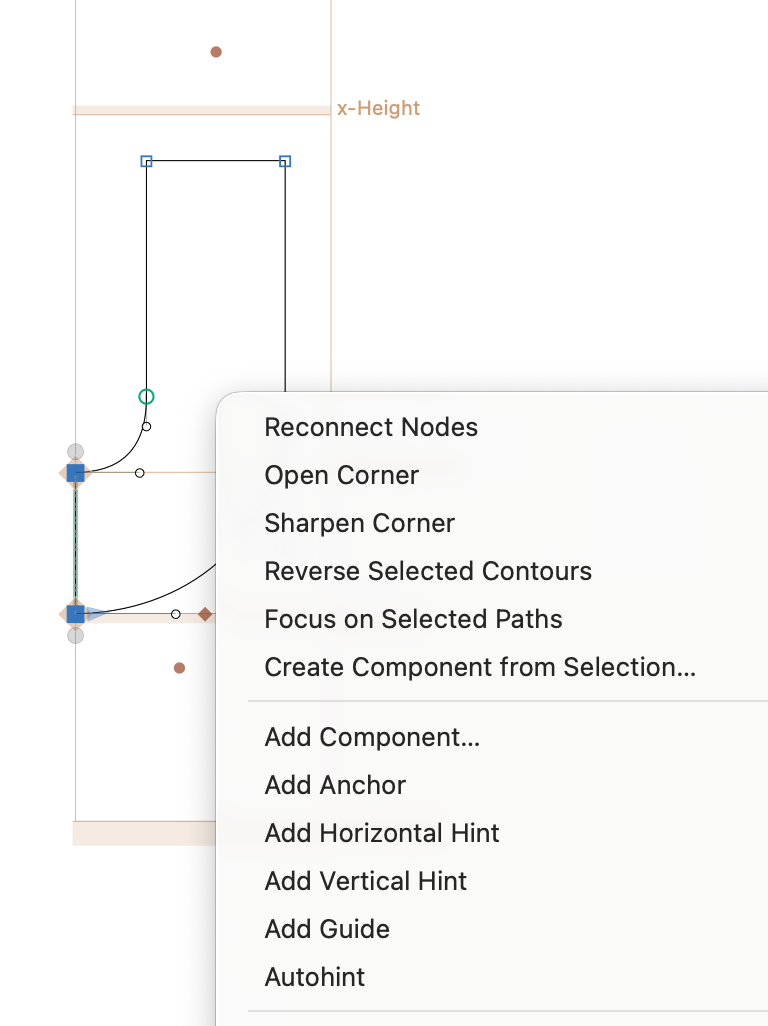
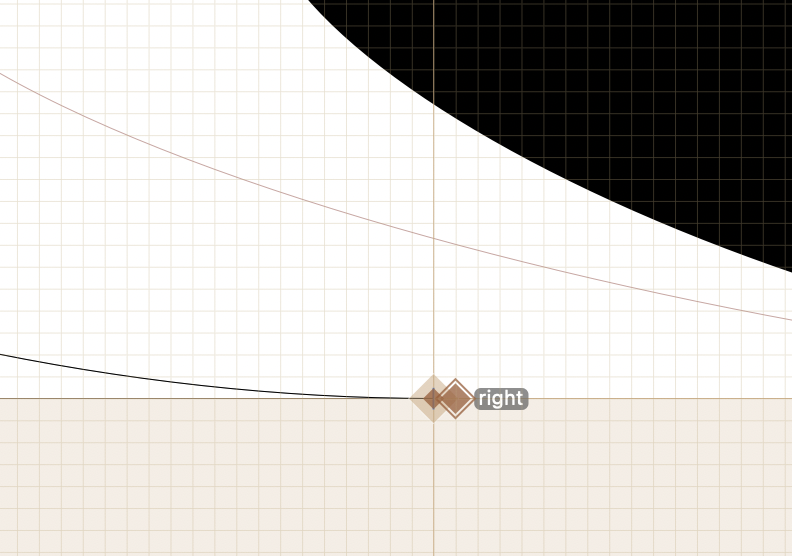
This seems to be related to the cap component, though all the other letters in the font that use it look fine. When I delete it from the glyph it goes back to the correct shape. However if I then try to re-add, the option doesn’t show up in the context menu (but again in other glyphs removing and trying to re-add works fine).
Ah interesting. What’s the difference between these and the cap components? They both seem to scale and adjust when attached to ends of different sizes. Or is it more about the intended usage?
EDIT: changing to _segment instead of _cap still produces the clipping, FWIW.
Functionally what’s the difference between the cap and segment components though, intention of use? Applies to a curve? Decomposes differently on output?
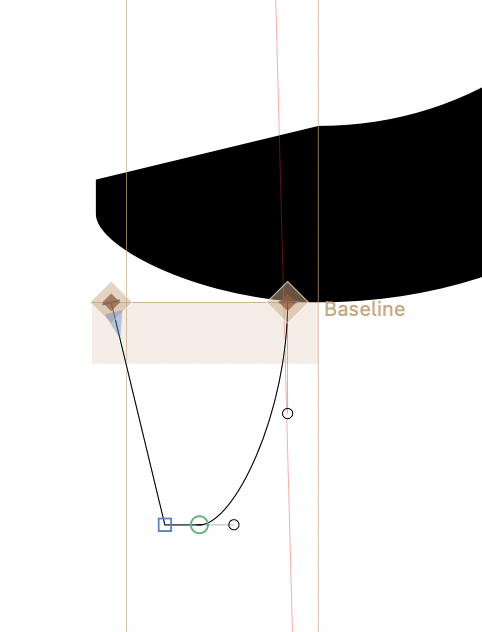
And thanks Rainer for the script and the explanation. Seeing the difference between the two if I move the top node in the letter, say 20 points, up is interesting; one stretches to fill the space (segment) and the other continues the original curve past that point but retains the next (cap). I see how both could be quite useful!