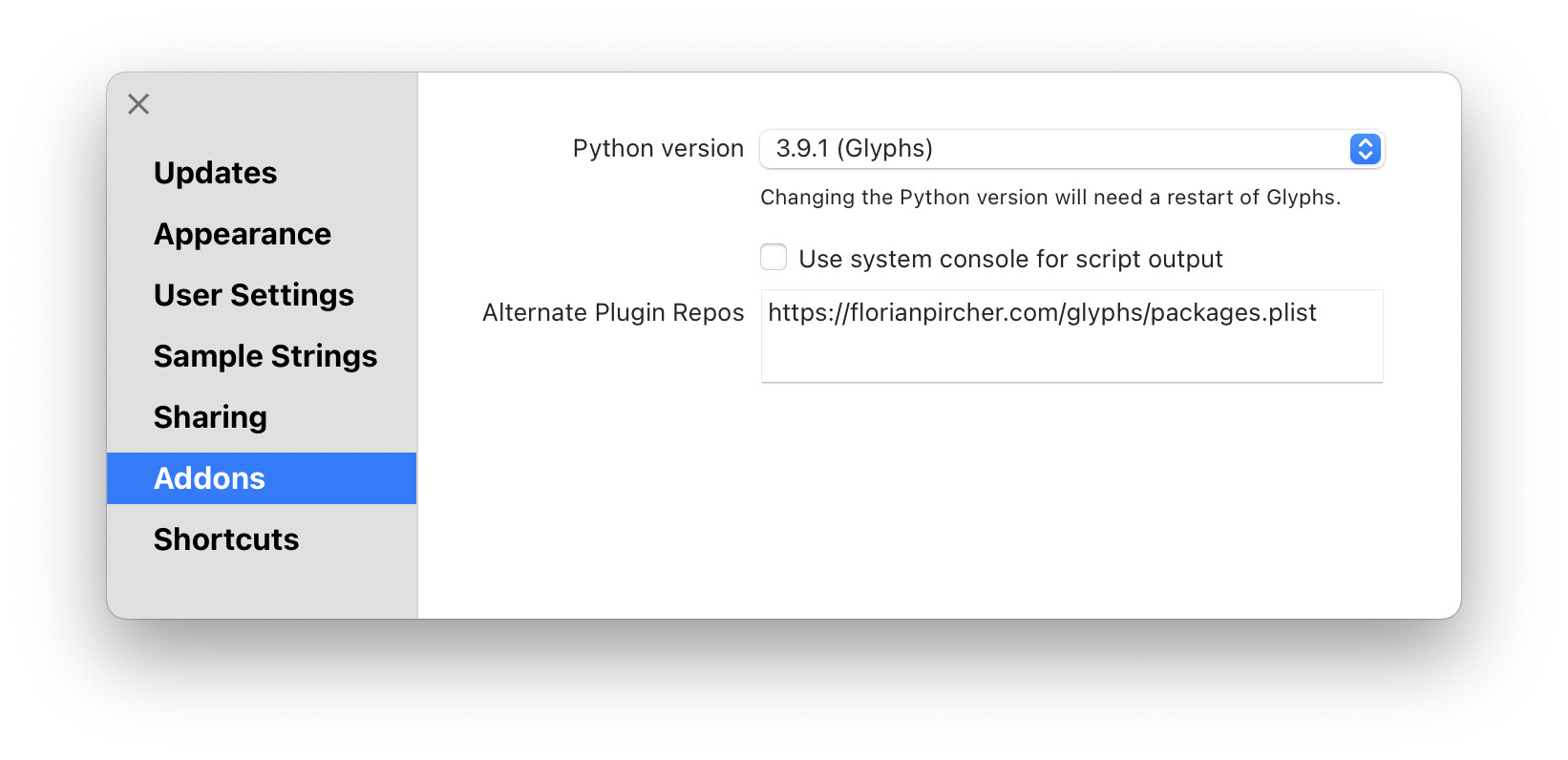
glyphs’ python set to Homebrew’s Python 3.9.1, inspecting this python via freeze tells me that pyobjc is installed and can be imported when using python seperately outside of Glyphs
3097
glyphs’ python set to Homebrew’s Python 3.9.1, inspecting this python via freeze tells me that pyobjc is installed and can be imported when using python seperately outside of Glyphs
3097
Can you check what version of python is selected in Preferences > Addons?
import objc?Yes… I checked that I have the correct version chosen.
It tells that it’s Homebrew version of Python when in fact it’s Pyenv and Pyenv itself is installed via Homebrew. I find it a bit confusing.
Using Glyphs’ Python doesn’t help.
running this
print("hi")
import os
print("hello")
interestingly returns this
Traceback (most recent call last):
  File "<internal>", line 1
ModuleNotFoundError: No module named 'objc'
hi
helloAre you sure you are using Glyphs’ Python? There should be the text “(Glyphs)” at the end of the version number in Glyphs → Preferences… → Addons and you need to restart Glyphs after switching version.
When you run a script, a bit of code is run to set things up correctly. That is causing the error message.
what do you get when you run this:
import os
print(os)
Yesterday, I found that installing Python from the Plugin Manager did not install any Python with “(Glyphs)” as I hoped.
In preferences, I could only choose Homebrew Python 3.9.1, so I thought that’s the one I am supposed to pick. I don’t remember ever having installed Homebrew Python 3.9.1 but I am not 100% sure. It just seems like a funny coincidence that this exact version is causing problems for another user.
Did you restart Glyphs after you installed the Module?
I think I did re-start Glyphs but I am not 100% sure.
Btw, that potential problem could be avoided if Glyphs simply re-started automatically whenever applicable (including installing plug-ins), as I have requested many times for many years. “Did you restart Glyphs?” is my own standard response if users report problems with RMX or Kern On and it’s really unnecessary we have to deal with that question all the time.
Just make Glyphs re-start by itself, then we’ll have less hassle with support and happier users!
Thank you for your explanation, there is (Windows Store)
Your Python version is ending in “(Windows Store)”? In that case select the one ending in “(Glyphs)”. If the menu has no option ending in “(Glyphs)”, open the Plugin Manager, go to the Modules tab and download Python. Restart Glyphs and the “(Glyphs)” option should be selectable. Restart Glyphs again to load the new Python version.
can you send a screenshot where you see the “Windows Store”?
August 2024 Response:
The steps in Troubleshooting > Python does not install helped me resolve the “No module named ‘objc’” error.
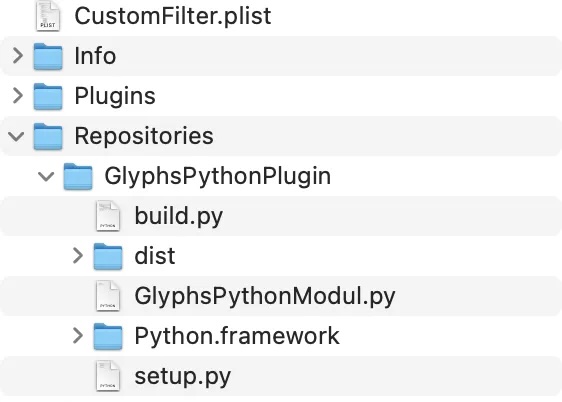
There’s the real scenario where users want to install multiple plugins/modules before restarting once. If you need to install 10+ items, forcing a restart every time will be more of a pain. And Glyphs does prompt users to restart.
Doesn’t seem to be a realistic scenario that someone wants to update 10 add-ons at the same time, though.